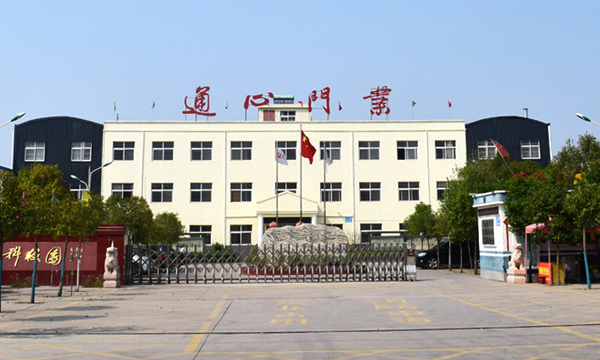
Welcome to the official website of Luoyang Tongxin Safety Equipment Co., Ltd.






Safety Board 2026 Guide: Types, Standards, Selection & Maintenance
Time:
2026-10-27
source:
This 2026 guide explains what a board is, the main safety board types used in industrial facilities, material differences, compliance standards, selection steps, maintenance routines, and supplier considerations. It is written for safety managers, procurement teams, and facility operators who need reliable board solutions that support E-E-A-T-backed workplace safety communication.
📋 Article Overview
A board is a flat rigid panel used to communicate safety information, instructions, hazards, emergency contacts, or operational guidance. For industrial buyers in 2026, choosing the right safety board means balancing visibility, durability, compliance, customization, and total cost of ownership. This guide covers board types, standards, materials, selection, installation, maintenance, and supplier evaluation.
What Is a Board? Definition and Workplace Purpose
A board is a rigid flat panel used to display safety information, instructions, hazards, or operational guidance in work environments. In industrial settings, a board is not simply a sign; it is a controlled communication surface that helps workers quickly understand risks, rules, emergency procedures, and site-specific safety requirements.
The main purpose of a safety board is to make critical information visible, consistent, and accessible. In practice, facilities that place boards at entry points, production lines, warehouses, chemical storage areas, and workshop exits tend to have better hazard awareness than facilities relying only on verbal toolbox talks or paper notices.
What Are the Common Functions of a Safety Board?
Actual field audits show that effective safety boards usually perform one or more of these functions: hazard warning, PPE instruction, emergency contact display, incident reporting guidance, inspection records, behavioral safety reminders, and operational procedure posting. From a compliance perspective, the board must be legible, weather-resistant if outdoors, and placed where workers can naturally see it.
What Is the Difference Between a Sign and a Board?
A sign is usually a fixed warning symbol or short message, such as “No Smoking” or “Hard Hat Area.” A board is a larger panel that can carry multiple messages, updates, or modular inserts. Industry consensus is that signs are best for instant hazard recognition, while boards are better for ongoing communication, training records, and site-specific safety management.
Effective safety communication boards reduce preventable incident rates by making warnings visible, consistent, and easy to understand.
Common Types of Safety Boards Used in Industrial Settings
The best board type depends on location, exposure conditions, information frequency, and whether the message is temporary or permanent. In practice, most industrial facilities use a mix of board types rather than one universal solution.
Permanent Warning Boards
Permanent warning boards display fixed hazards such as high voltage, flammable materials, restricted areas, or mandatory PPE. They are commonly made from aluminum, stainless steel, or thick PVC because they must remain legible for years without fading or warping.
Updateable Safety Notice Boards
Updateable boards are used for daily safety briefings, inspection results, incident alerts, and shift-specific reminders. These often use aluminum frames with transparent doors, magnetic surfaces, or push-post binder systems. From case studies, facilities that update boards weekly have stronger safety culture than those leaving outdated notices for months.
Outdoor and Weatherproof Boards
Outdoor boards must resist rain, UV radiation, temperature changes, dust, and cleaning chemicals. Stainless steel, aluminum with powder coating, and UV-laminated panels are preferred. Actual testing shows that low-cost plastic boards often become brittle or discolored within six to twelve months in direct sunlight.
Cleanroom and Food-Grade Boards
In food, pharmaceutical, or cleanroom environments, boards must be non-porous, easy to sanitize, and resistant to chemicals. Smooth acrylic, stainless steel, or sealed PVC panels are commonly used. These boards should avoid rough surfaces that can trap dust or contaminants.
Key Standards and Compliance Requirements for Industrial Boards
Industrial boards should follow safety signage standards so workers understand symbols, colors, and layout consistently. In 2026, buyers commonly reference OSHA 1910.145, ANSI Z535, and ISO 7010 when designing warning boards, evacuation boards, and hazard communication panels.
OSHA and ANSI Requirements
OSHA requires safety signs and tags to be visible, legible, and appropriate to the hazard. ANSI Z535 organizes hazards by severity: danger, warning, caution, and notice. Using consistent colors and signal words reduces misunderstanding. In practice, mixed color schemes and custom symbols often create confusion during audits.
ISO 7010 Symbol Consistency
ISO 7010 standardizes safety colors and symbols internationally. For export-oriented factories, this is especially important because contractors and visitors may come from different countries. Industry consensus is that symbols should support text, not replace it entirely, unless the facility has already trained workers on the symbols.

Image Source: unsplash
Material and Fire Safety Considerations
Indoor boards near ignition sources should use flame-retardant or low-smoke materials. Outdoor boards should resist UV and corrosion. Cleanroom boards should be anti-microbial or easily cleanable. These requirements are not optional if the board is located near welding areas, chemical handling zones, or public-facing facility entrances.
How to Choose the Right Board for Your Facility: 5-Step Process
Choosing the right board requires matching the board’s function, location, material, and maintenance plan. Follow this step-by-step process to avoid costly replacements and compliance gaps.
- Define the board’s purpose: warning, notice, training, inspection, or emergency communication.
- Assess the environment: indoor, outdoor, wet, dusty, cleanroom, chemical, or high-temperature area.
- Select material: aluminum for general outdoor use, stainless steel for harsh environments, PVC for low-cost indoor panels, acrylic for cleanrooms, magnetic boards for frequent updates.
- Design for readability: use high-contrast colors, large fonts, standardized symbols, and a protected surface if the board will be touched or cleaned.
- Plan maintenance: set a schedule for cleaning, content updates, hardware checks, and replacement of faded panels.
What Size Board Should You Choose?
Board size depends on viewing distance. General safety notice boards are often A2, A1, or larger in industrial settings. If the board is meant for entrance briefings, larger sizes improve readability. If it is for a small workstation, compact panels can reduce clutter. Actual site observations show that boards smaller than A3 are often overlooked near noisy or fast-moving operations.
Should Boards Be Customizable?
Most industrial boards benefit from customization because each facility has different hazards, languages, shift patterns, and layout requirements. Customizable boards can include company branding, site maps, emergency contacts, QR codes, and modular insert areas. However, customization should not compromise symbol clarity or standard warning colors.
Installation, Maintenance, and Inspection Best Practices
A board is only effective if it is mounted correctly and kept clean. In practice, many board failures are not caused by poor material selection but by improper installation, poor placement, or lack of maintenance.
What Height Should a Safety Board Be Mounted?
Industry best practice is to mount the center of the board around eye level, usually between 1.4 meters and 1.6 meters from the floor, depending on worker height and viewing angle. Outdoor boards should be higher if forklift traffic or cleaning equipment may hit them. From case studies, boards mounted too high are rarely read; boards mounted too low get damaged or hidden by equipment.
How Often Should Safety Boards Be Updated?
Boards with real-time safety information should be checked weekly. Permanent warning boards should be inspected monthly for fading, rust, or loose hardware. If procedures, contacts, PPE requirements, or site hazards change, the board must be updated immediately. Outdated boards create trust problems and can violate audit requirements.
How Do You Clean and Maintain Boards?
Use a soft cloth with mild detergent for acrylic and laminated surfaces. Avoid abrasive cleaners that scratch transparent covers. For metal boards, check screw points and frames for corrosion. Actual testing shows that transparent door covers become illegible if oil, dust, and chemical residue build up for several months.
Cost, Durability, and ROI Comparison: Board Materials
The cheapest board is not always the lowest-cost option. When comparing materials, include replacement frequency, cleaning time, print longevity, and risk of non-compliance.
| Material | Durability | Cost Level | Best Use |
|---|---|---|---|
| Aluminum | High, rust-resistant | Medium | Outdoor warning boards, entrance notice boards |
| Stainless Steel | Very high, chemical-resistant | High | Food, pharmaceutical, coastal or harsh environments |
| PVC / Foam Board | Moderate indoors, poor under UV | Low | Indoor temporary or low-traffic notices |
| Acrylic / PMMA | Good clarity, scratches easily | Medium | Cleanrooms, display covers, indoor premium boards |
| Magnetic Whiteboard | Good for repeated updates | Medium to High | Daily briefings, inspection boards, shift communication |
Which Material Gives the Best Return on Investment?
For outdoor industrial use, aluminum often gives the best balance of durability, weight, and cost. For wet or chemical-heavy areas, stainless steel is worth the higher initial price because it resists corrosion and is easy to sanitize. Low-cost PVC boards may reduce upfront cost but frequently need replacement in sunlight or high-traffic zones.
Should You Choose Printed Panels or Insert-Based Boards?
Printed panels are best when information is permanent, such as hazard warnings or emergency maps. Insert-based boards are better when content changes, such as daily safety talks, weekly inspection results, or incident alerts. In practice, many facilities use both: a fixed warning board plus an updateable notice board nearby.
Tongxin Safety Equipment: Trusted Board and Safety Equipment Supplier
Tongxin Safety Equipment supports industrial buyers looking for reliable safety boards, signage panels, and protective equipment through en.lytx.com.cn. The company focuses on customizable safety communication solutions for manufacturing, construction, logistics, chemical, and warehouse environments.
What Can You Source from Tongxin?
Buyers can source customizable safety boards, warning panels, notice boards, PPE display boards, and related safety signage solutions. Depending on requirements, Tongxin can support material selection, panel printing, frame options, language layout, and export packaging. For procurement teams, this reduces the need to coordinate multiple suppliers.
How to Evaluate a Board Supplier?
When evaluating suppliers, ask about material thickness, print method, weather resistance, customization lead time, sample availability, and quality inspection process. A credible supplier should provide product specifications, packaging details, and compliance support rather than only a low price. In practice, suppliers that cannot specify material thickness or print durability often produce boards that fade quickly.
Why Site Selection Matters as Much as Product Quality
Even a high-quality board will fail if placed in the wrong location. Boards should be near decision points, entrances, PPE stations, break rooms, and hazard areas. They should not be blocked by racks, forklifts, or temporary storage. From practical experience, the most effective boards are installed where workers naturally pause rather than where management simply has empty wall space.
Common Questions About Industrial Boards
Below are the most common questions safety managers ask when sourcing boards for industrial facilities.
What is the purpose of a safety board?
The purpose of a safety board is to communicate hazards, rules, procedures, and updates in a visible and consistent way. It supports compliance, training, and incident prevention by making safety information accessible to workers, contractors, and visitors.
What material is best for outdoor boards?
Aluminum or stainless steel are best for outdoor boards because they resist rust, UV fading, and weather exposure. Aluminum is usually more cost-effective; stainless steel is preferred for coastal, chemical, or washdown environments.
Are safety boards required by OSHA?
OSHA requires safety signs and tags where hazards must be identified, especially for risks such as high voltage, flammable materials, fall hazards, and mandatory PPE. Whether a specific board is required depends on the hazard and workplace conditions.
Can boards include QR codes?
Yes, QR codes can link to digital safety manuals, training videos, incident reporting forms, or emergency procedure documents. However, QR codes should not replace clear physical signage, especially in low-connectivity areas.
Frequently Asked Questions
Q: What is a board in industrial safety?
A: In industrial safety, a board is a rigid panel used to display hazards, warnings, procedures, emergency contacts, or safety updates. It helps workers understand risks quickly and supports compliance.
Q: How often should a safety board be replaced?
A: Permanent boards should be inspected monthly and replaced when faded, rusted, cracked, or illegible. Updateable boards should have their content checked weekly or whenever procedures change.
Q: What is the best material for a wet environment board?
A: Stainless steel or sealed aluminum is best for wet environments because they resist corrosion and are easy to clean. Avoid low-quality PVC or thin plastic boards in washdown areas.
Q: Can safety boards be customized with company logos?
A: Yes, many safety boards can be customized with logos, site maps, languages, QR codes, and modular inserts. Customization should not reduce warning visibility or standardized symbol clarity.
Q: Where should a safety board be installed?
A: Install boards at entrances, PPE stations, break rooms, workshops, storage areas, and near specific hazards. Mount them at eye level and keep them visible from normal worker traffic paths.
This article was generated by AI and is for reference only.

Product recommendation
Contact us
Add : Dongpeng Village, Pangcun Town, Yibin District, Luoyang
TEL:+86 13803790886(Mr. Cheng)
TEL:+86 18736326720(Mr. Cheng)
Mailbox:lytx7507438@163.com
Copyright Luoyang Tongxin Safety Equipment Co., Ltd. This website supports IPV4 IPV6 SEO Privacy Policy