Welcome to the official website of Luoyang Tongxin Safety Equipment Co., Ltd.



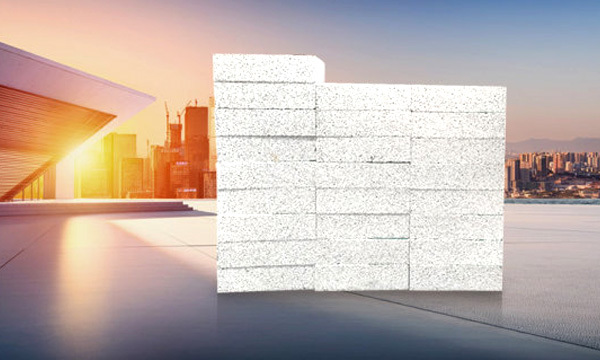




Exterior Wall Insulation in 2026: Benefits, Materials, Costs & Installation Steps
Time:
2026-11-03
source:
This guide explains what exterior wall insulation is, how it improves thermal performance, and which materials are most commonly used in 2026. It covers installation steps, cost factors, return on investment, maintenance, moisture control, fire safety and compliance. The goal is to help property owners, contractors and facility managers choose durable, energy-efficient insulation systems that protect facades and reduce heating and cooling costs.
📋 Article Overview
This guide explains exterior wall insulation, its benefits, available materials, installation process, cost considerations, maintenance requirements and common questions. It is designed for building owners, contractors and procurement teams seeking practical, compliant and durable facade insulation solutions in 2026.
What Is Exterior Wall Insulation?
Exterior wall insulation is an outer facade layer that reduces heat transfer and stabilizes indoor temperature. It is applied to the outside of walls rather than inside living spaces, which helps create a continuous thermal envelope and reduces thermal bridging.
How Does It Work?
In practice, exterior wall insulation works by adding a thermally resistant layer between the building structure and the external environment. In winter, it slows heat loss from the interior. In summer, it reduces heat gain from sunlight and external heat. When combined with a protective render, mesh and base coat system, the insulation layer also protects the underlying wall from rain, wind and temperature movement.
Actual site inspections often show that continuous exterior insulation performs better than partial cavity insulation because it covers wall edges, lintels, columns and other thermal bridges. This is why many 2026 energy retrofit projects prioritize exterior systems over purely internal insulation.
Who Should Consider It?
Exterior wall insulation is suitable for residential buildings, apartment blocks, schools, offices, warehouses and industrial facilities. It is especially useful for older solid-wall buildings with little or no insulation, as well as new construction projects aiming for stricter energy performance standards. If the goal is to reduce energy bills, improve indoor comfort or extend facade life, exterior insulation is usually one of the most cost-effective long-term upgrades.
Key Benefits for Buildings in 2026
The main benefit of exterior wall insulation is that it improves energy efficiency while protecting the building envelope. Rather than adding insulation inside rooms, it treats the wall from the outside, allowing better continuity and less disruption to occupied spaces.
Energy Savings and Thermal Performance
Research shows that continuous exterior insulation can reduce wall-related heat loss by 30–50% compared with uninsulated masonry or poorly insulated walls. In practice, buildings with exterior insulation often show smaller temperature swings, fewer cold spots near external walls and lower heating demand in winter. For cooling-dominated climates, it also reduces solar heat gain, helping HVAC systems operate more efficiently.
Comfort, Durability and Facade Protection
Beyond energy savings, exterior insulation improves occupant comfort by reducing drafts, surface condensation and uneven room temperatures. It also protects the structural wall from rain penetration, UV exposure and freeze-thaw movement. From case observations, buildings with properly installed insulation, mesh reinforcement and external render tend to show fewer cracks and fewer moisture-related defects than untreated facades.
Industry consensus is that exterior wall insulation delivers the strongest thermal benefit when it is continuous, properly detailed around openings and protected by a weather-resistant finish system.
Common Exterior Wall Insulation Materials
Choosing the right insulation material depends on climate, wall type, budget, fire safety requirements and desired finish. The most common materials include expanded polystyrene, extruded polystyrene, mineral wool and polyisocyanurate.
| Material | Typical R-Value per Inch | Cost Level | Key Advantage |
|---|---|---|---|
| EPS | 3.6–4.2 | Low to medium | Good value and widely available |
| XPS | 4.5–5.0 | Medium | High moisture resistance |
| Mineral wool | 3.0–4.2 | Medium to high | Fire resistance and vapor permeability |
| Polyisocyanurate | 5.5–6.5 | High | High thermal resistance in thinner boards |
Expanded and Extruded Polystyrene
EPS is one of the most widely used exterior insulation materials because it is lightweight, affordable and compatible with many render systems. In practical installations, it is often chosen for retrofit projects where budget matters and the wall does not require the highest fire performance. XPS is denser and more moisture-resistant, making it suitable for below-grade areas or base-level facade details where water exposure is higher.
Mineral Wool and Polyisocyanurate
Mineral wool is preferred where fire resistance, sound insulation and vapor permeability are important. Actual project observations show that mineral wool systems perform well in facade assemblies where moisture movement must be managed. Polyisocyanurate offers higher R-value per inch, so it is useful when space is limited or when a thinner insulation profile is required, though it usually comes at a higher material cost.
Does exterior wall insulation reduce indoor moisture problems?
When installed correctly with breathable finishes and proper detailing, exterior insulation can reduce condensation by warming the internal wall surface. However, it is not a substitute for good ventilation. If existing walls have hidden moisture or rising damp, those issues should be resolved before insulation is applied.
Step-by-Step Installation Process
A successful exterior wall insulation installation depends on surface preparation, accurate board fixing, reinforced jointing and weather-resistant finishing. In practice, poor detailing around windows, balconies and corners is often the cause of future cracks or water ingress.
- Inspect the substrate, remove loose render, repair cracks and ensure the wall is clean and dry.
- Measure and cut insulation boards, then fix them with adhesive and mechanical anchors according to wall type.
- Reinforce joints and corners with mesh and base coat, paying special attention to window openings and edges.
- Apply the render finish system, texture and protective coating once the base coat is fully cured.
- Inspect for gaps, cracks or anchor issues, and clean the site according to safety requirements.
Surface Preparation and Weather Conditions
Before installation, the wall must be structurally sound. Loose paint, damaged render and salt deposits should be removed. Installation should avoid heavy rain, frost or extremely high temperatures because these conditions can affect adhesive curing and finish quality. From site experience, crews that stop work during bad weather usually achieve better long-term results than those trying to meet deadlines in poor conditions.
Anchoring, Jointing and Reinforcement
Boards should be installed tightly with staggered joints to reduce thermal bridging. Anchors must be selected for the actual wall substrate, not assumed. Mesh reinforcement should be embedded into the base coat, especially at openings where cracking is most likely. Sourcing compatible fixing accessories from suppliers such as Tongxin Safety Equipment at en.lytx.com.cn can help ensure that anchors, mesh and protective components meet site safety and durability requirements.

Image Source: unsplash
Can exterior wall insulation be installed over existing render?
Often, yes, but only if the existing render is stable, clean and free from damp or loose material. If the old render is failing, it may need to be removed first. A professional substrate assessment is recommended before installing insulation over any existing facade.
Cost and ROI Considerations
The cost of exterior wall insulation in 2026 depends on material choice, board thickness, building height, access conditions, preparation work and finish quality. Generally, projects are priced per square meter of insulated facade area.
Price Factors in 2026
Typical cost factors include insulation board type, anchor requirement, mesh reinforcement, render finish, scaffolding or access equipment, removal of old coating and waste disposal. Higher-performance materials such as polyisocyanurate or mineral wool may increase upfront cost, but they can reduce thickness or improve fire safety depending on project requirements.
Payback and Incentives
Return on investment depends on energy prices, climate, existing insulation level and system lifespan. Many projects recover costs through reduced heating or cooling demand over several years. Research and retrofit experience suggest that exterior insulation often becomes more economically attractive when combined with maintenance savings, improved facade protection and extended render life.
Is exterior wall insulation worth the cost in 2026?
It is usually worth it for uninsulated or solid-wall buildings, especially where energy bills are high and facade repair is already planned. It is less beneficial if the building already has strong insulation or if the wall has unresolved moisture problems. A cost-benefit calculation based on local climate and energy prices is recommended.
Maintenance, Durability and Safety
Exterior wall insulation is a long-term building envelope system, not a one-time coating. Durability depends on correct installation, regular inspection and prompt repair of cracks or damaged finish areas.
Inspection and Repairs
In practice, facades should be inspected after severe weather and every few years for cracks, faded coating, anchor exposure or water staining. Small cracks should be repaired early before moisture enters the insulation layer. If the finish is damaged, the affected area should be cleaned, reinforced and re-rendered rather than simply painted over.
Fire, Moisture and Compliance
Fire safety must be considered when selecting insulation, especially for multi-story buildings or projects with strict local regulations. Materials such as mineral wool offer better fire performance, while foam plastic systems may require fire barriers or additional detailing. Moisture control is equally important: the render system should be breathable, wall details should drain water properly, and insulation should not trap moisture against the substrate.
How long does exterior wall insulation last?
With proper installation and maintenance, exterior wall insulation systems commonly last 20 to 30 years or more. The insulation board itself may remain intact longer than the external render, so periodic re-coating or minor repairs can extend the system’s service life.
When to Hire a Professional
Although small sections may be handled by experienced builders, full exterior wall insulation projects usually require professional contractors because of access, safety, structural fixing and facade detailing requirements.
DIY vs Professional Installation
DIY may be possible for low, easily accessible walls with simple materials, but multi-story buildings require scaffolding, safe anchor installation and weather-resistant finishing. In practice, incorrect adhesive mixing, missing anchors or poor mesh detailing can lead to board movement, cracking or water penetration. Professional installation is usually the safer option for high-rise or large-area projects.
Selecting a Supplier and Contractor
Choose suppliers and contractors with experience in the chosen insulation system, local climate and building type. Ask for product data sheets, fire safety information, anchor specifications and previous project references. For procurement teams, reliable supply of boards, mesh, base coats, render and safety accessories can reduce delays and improve overall system consistency.
How thick should exterior wall insulation be?
Thickness depends on energy targets, climate and material R-value. Common exterior insulation thickness ranges from 50 mm to 150 mm, but exact requirements should be calculated using local building regulations and thermal performance goals.
Frequently Asked Questions
Q: Does exterior wall insulation cause dampness?
A: It can if installed over a wet wall or with poor moisture detailing. Proper surface preparation, breathable finishes and drainage details are essential to prevent trapped moisture.
Q: Can exterior wall insulation be installed in winter?
A: It depends on the product and weather. Most systems should not be installed in frost, heavy rain or very low temperatures, because adhesives and renders may not cure correctly.
Q: How much does exterior wall insulation reduce energy bills?
A: Savings vary, but many buildings reduce heating or cooling costs by 20–40% after continuous exterior insulation, depending on climate and existing wall performance.
Q: Which is better: EPS or mineral wool?
A: EPS is usually more cost-effective, while mineral wool offers better fire resistance and breathability. The better choice depends on safety requirements, budget and local regulations.
Q: Does exterior wall insulation increase home value?
A: It can improve value by reducing running costs, improving comfort and protecting the facade. Its impact depends on local market expectations and the quality of installation.
This article was generated by AI and is for reference only.

Product recommendation
Contact us
Add : Dongpeng Village, Pangcun Town, Yibin District, Luoyang
TEL:+86 13803790886(Mr. Cheng)
TEL:+86 18736326720(Mr. Cheng)
Mailbox:lytx7507438@163.com
Copyright Luoyang Tongxin Safety Equipment Co., Ltd. This website supports IPV4 IPV6 SEO Privacy Policy